Diversity in Education: Why True Inclusivity Requires More Than Culture
In South Africa today, diversity in education is no longer just about recognising cultural differences. Most schools already acknowledge the richness of varied backgrounds. The real challenge lies in going deeper, understanding that inclusivity must also embrace diverse learning styles, abilities, and ways of thinking. At Newton House, we believe schools that go beyond cultural acknowledgement to actively respond to individual learning needs are the ones that will lead the way in shaping inclusive education.
Learning Styles and Abilities Shape the Classroom
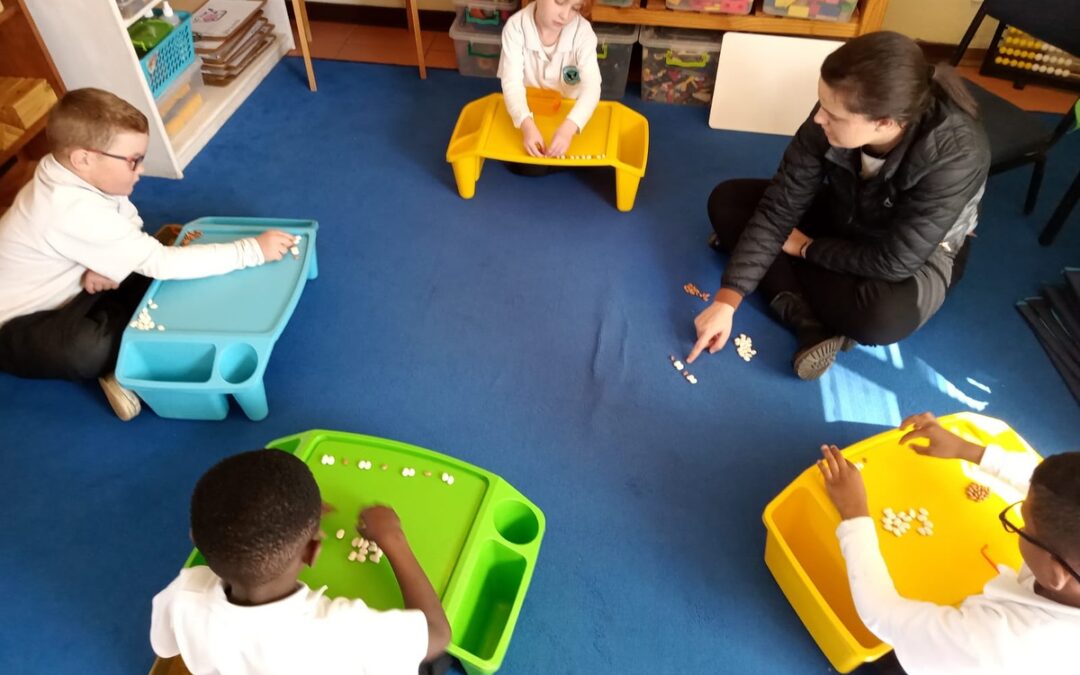
Every learner approaches education differently. Some thrive in structured, detail-focused tasks, while others excel in creative problem-solving or collaborative environments. True diversity in education means creating classrooms where auditory, visual, and kinaesthetic learners are all supported, and where neurodiverse students such as those with ADHD, autism, or dyslexia are given equal opportunities to succeed. By valuing these differences, schools not only improve academic outcomes but also teach students the importance of empathy and adaptability.
Inclusive Practices That Go Beyond Policy
Policy frameworks such as the Curriculum and Assessment Policy Statement (CAPS) provide the foundation for inclusivity, but real impact happens when teachers embed these principles into daily practice. Inclusive teaching involves adapting lessons for different abilities, using multiple forms of assessment, and fostering an environment where mistakes are viewed as part of the learning process. For Newton House, this means blending discipline with creativity, structure with flexibility, always focused on ensuring every learner feels seen and valued.

The Role of Teachers and Families
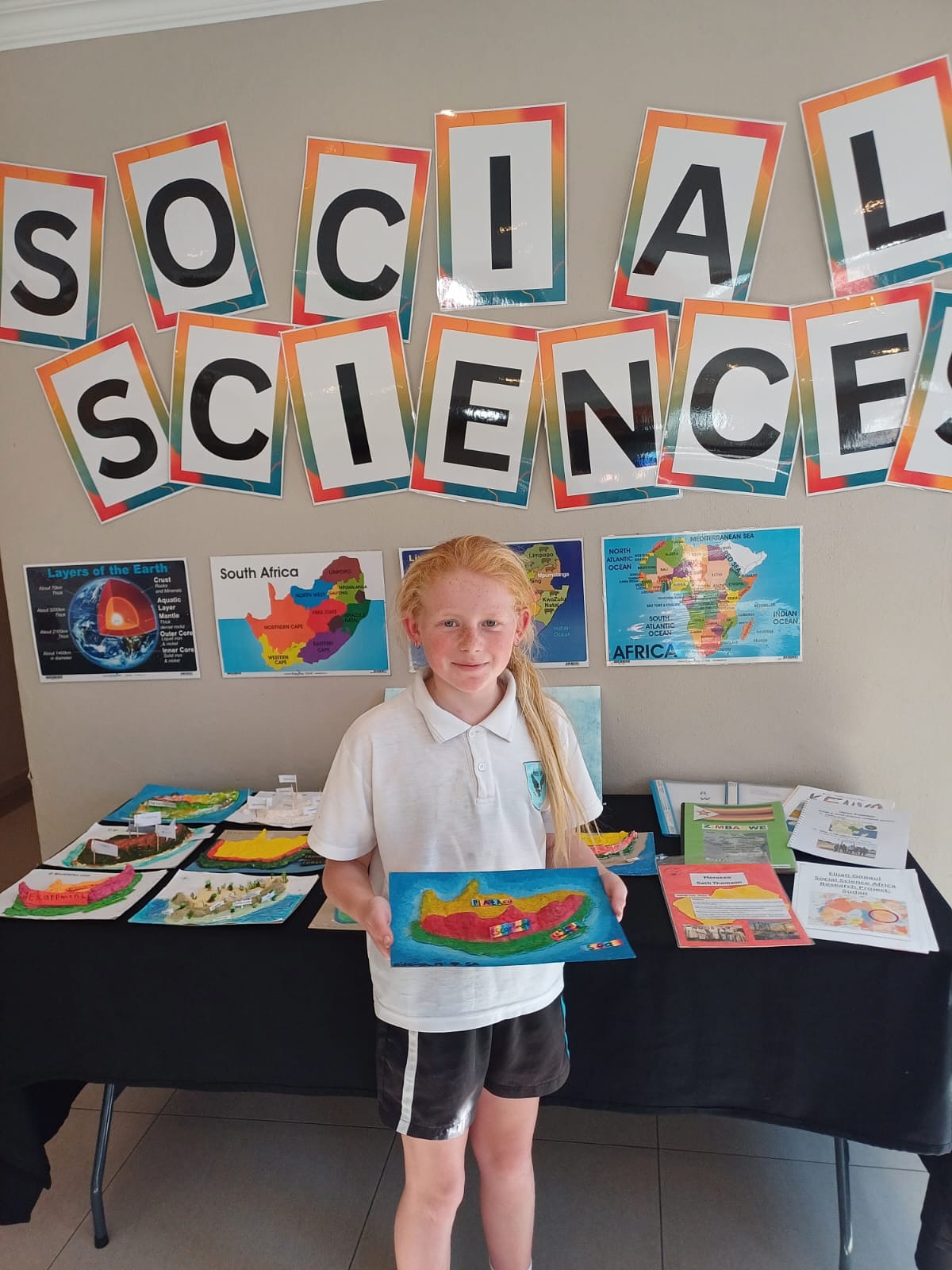
Teachers are at the heart of inclusive education. Their ability to recognise strengths, adapt content, and encourage different perspectives transforms diversity from an idea into reality. At Newton House, families also play a central role. By working in partnership with parents, we ensure that learners’ needs and abilities are understood holistically, not just within the classroom. This collaboration helps us prepare confident and resilient students ready to face the future.
Building Belonging in School Communities
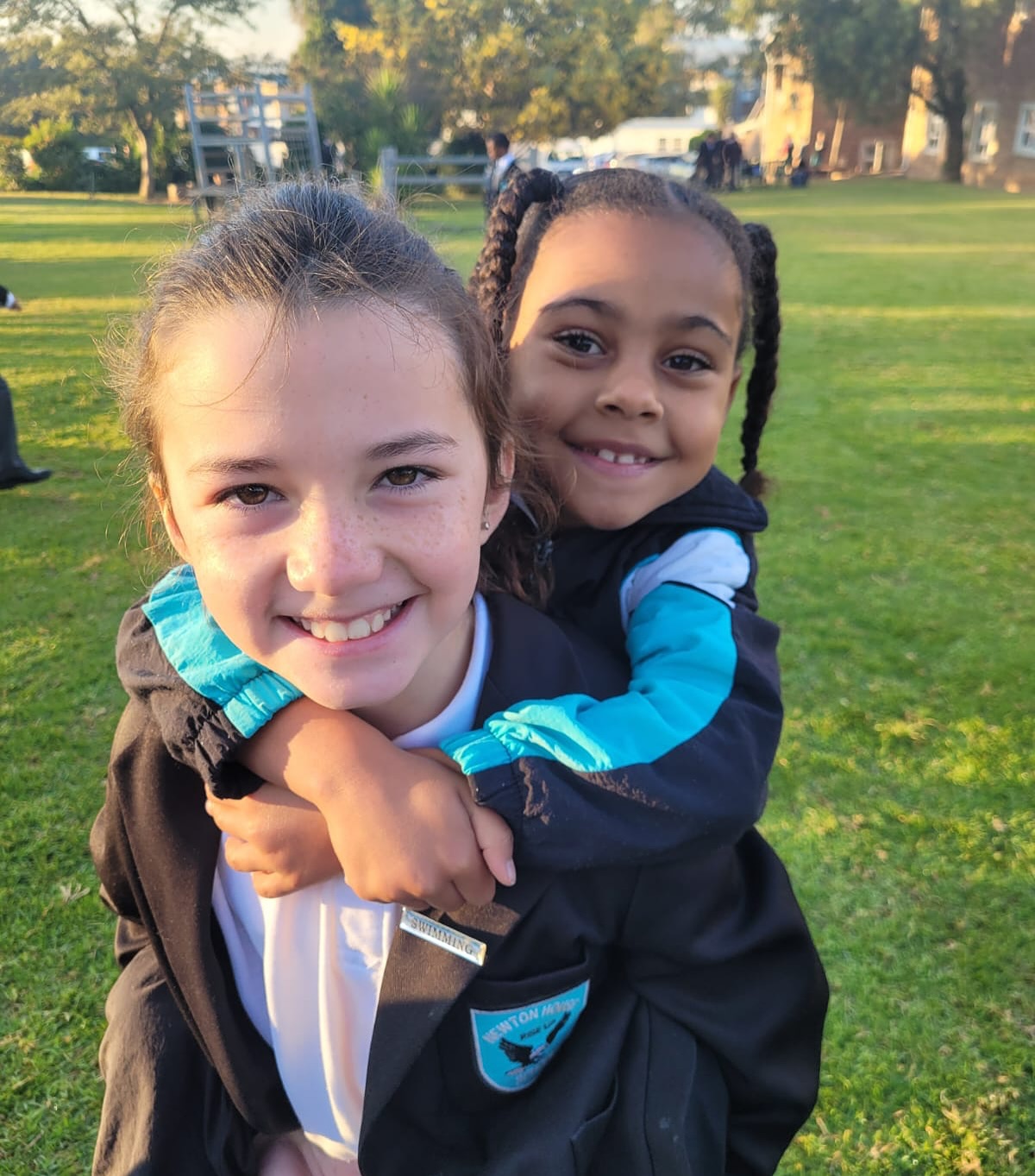
In addition to accommodating differences, true inclusivity is about building a sense of belonging. From extracurricular programmes to community engagement, Newton House creates opportunities where learners can discover their strengths and connect with others. Belonging drives motivation and self-worth, which are essential ingredients for long-term academic and personal success.
Challenges That Still Remain
Despite progress, South African schools still face obstacles in fully realising diversity in education. Overcrowded classrooms, limited resources, and uneven teacher training mean that inclusivity often depends on context. Newton House continues to invest in professional development, smaller class sizes, and innovative learning methods to overcome these barriers and ensure that inclusivity remains central to our mission.
Towards a Future of Inclusive Education
Diversity in education is not a box to be ticked; it is an ongoing commitment. At Newton House, we see inclusivity as both a responsibility and an opportunity to equip learners with empathy, resilience, and the ability to thrive in a diverse world. By embracing different learning styles, recognising varied abilities, and working with families and communities, we create classrooms where every child can see themselves reflected in the journey of education.
Get in touch with Newton House to learn more about our inclusive approach and how we put diversity in education into practice every day.