

Why Early Childhood Education Sets the Foundation for Success in Later Years
Children are born explorers, absorbing the world at astonishing speed from the moment they wake up every day, usually before most adults have even finished their first cup of coffee! Yet, according to UNICEF, only around 4 in 10 children are attending early childhood education programmes globally. That means millions miss out on the kind of head start their growing brains crave. If you want to future-proof a child’s potential, there is overwhelming evidence that the journey begins with early childhood education.
The Newton House Pre-Primary School is built around this principle. Our programme is both a bridge to Grade 1 and the catalyst for a lifetime of curiosity and confidence. Here’s why foundation phase education matters so much, and how we make those years count.
How Early Childhood Education Lays the Groundwork
The many early learning benefits of pre-primary schooling include:
- Cognitive Development
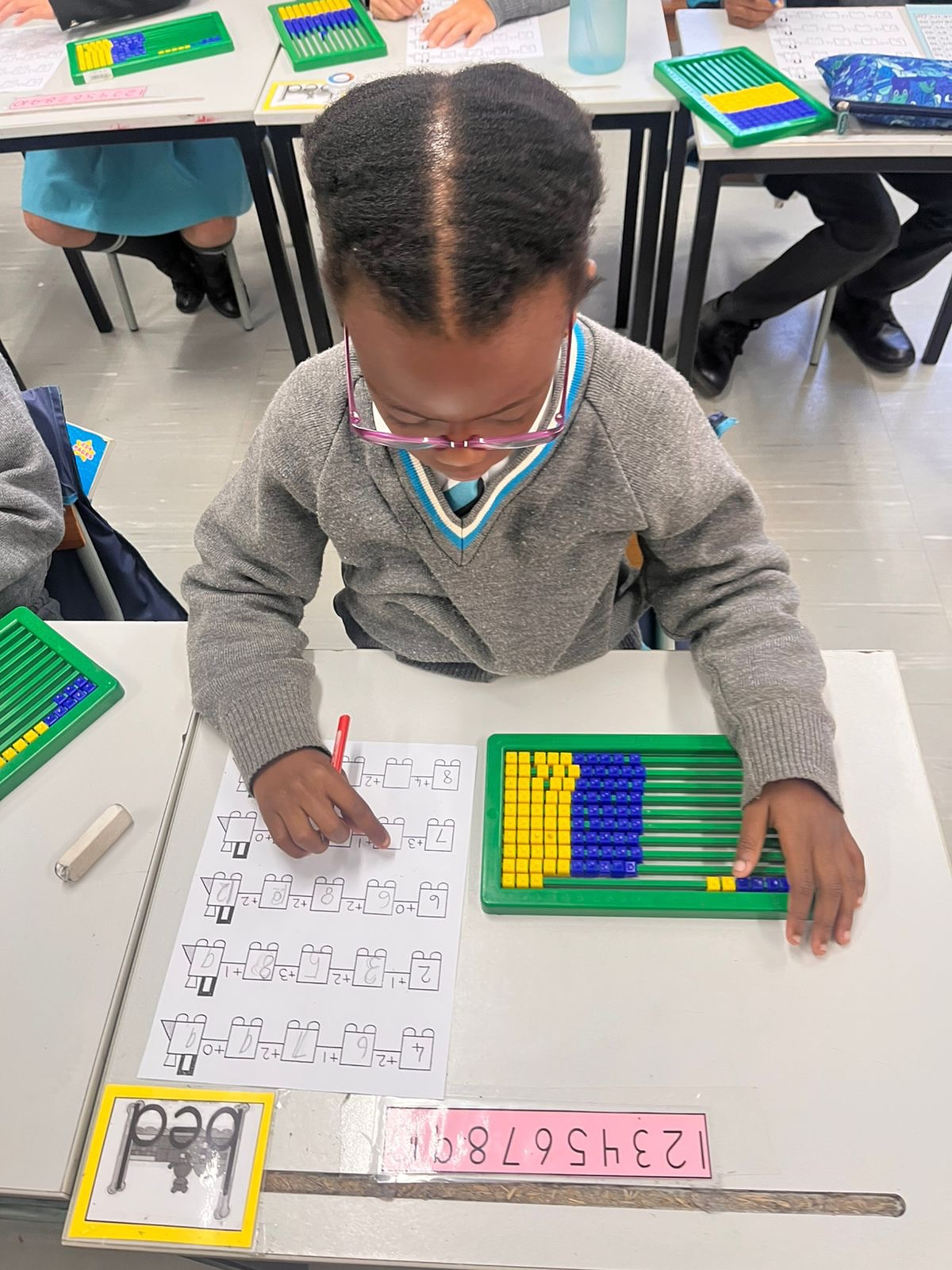
The pre-primary years are a neurological gold rush. At this stage, synapses fire at double the rate of adulthood, and every story, puzzle, interaction, and activity moulds those neural pathways. At Newton House, our curriculum encourages early literacy and numeracy through daily adventures in books, numbers, and logic games. The result is pupils attain strong vocabularies and problem-solving skills ahead of Grade 1.
- Social and Emotional Learning
Put a group of four-year-olds in a sandpit and you will witness the real work of learning: building friendships and bouncing back from setbacks. High-quality preschool education in South Africa starts with the ABCs, but it also builds resilience and emotional intelligence. Our teachers nurture these skills through creative play, group tasks, and stories, setting young pupils up for robust relationships and effective communication later in life.
- School Readiness in Children
Many parents worry if their child is ‘ready’ for the leap into ‘big school’. The truth is that pupils who attend well-designed early childhood education programmes typically start their schooling journey not only recognising letters and numbers but also being able to follow instructions and work cooperatively. At Newton House, weekly small group sessions with a speech and language therapist build strong foundations in language and listening, while occupational therapy sessions ensure fine and gross motor abilities aren’t left behind.
Newton House’s Approach to Early Childhood Development (ECD) in South Africa
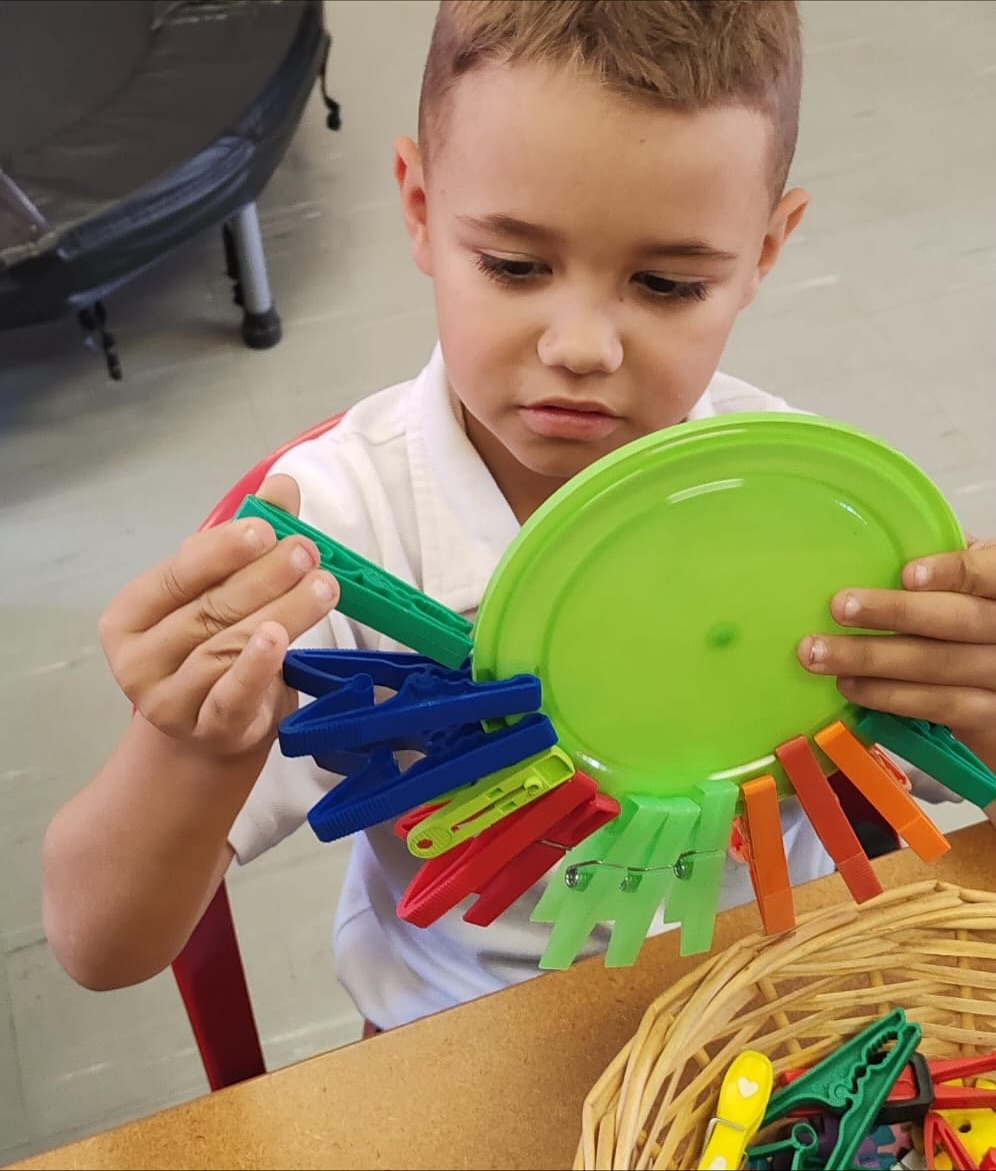
We’re passionate about keeping the learning environment nurturing but purposeful. Each class is capped at 12 pupils, allowing our teachers to truly get to know every pupil, including their interests, fears, strengths and weaknesses, and also their unique spark. Our school readiness centre offers holistic development:
- Play-based learning and structured routines
- Weekly sessions with occupational and speech therapists
- A daily light lunch to fuel growing bodies and brains
- Aftercare and holiday care programmes focused on consolidation and gentle socialisation
- Music appreciation, where djembe drums and other instruments are used to enhance listening skills
- Library sessions to address listening skills and foster a love for reading and books
- Physical activity lessons to promote balance, gross motor skills, ball skills, etcetera
By partnering closely with families, we ensure that what happens in the classroom is reinforced in the home, making foundation phase education a community-wide investment.
If you value the long-term impact of early childhood education and want to ignite your little one’s potential early on, Newton House Pre-Primary might be the perfect fit. Get in touch today to discuss enrolment.
