
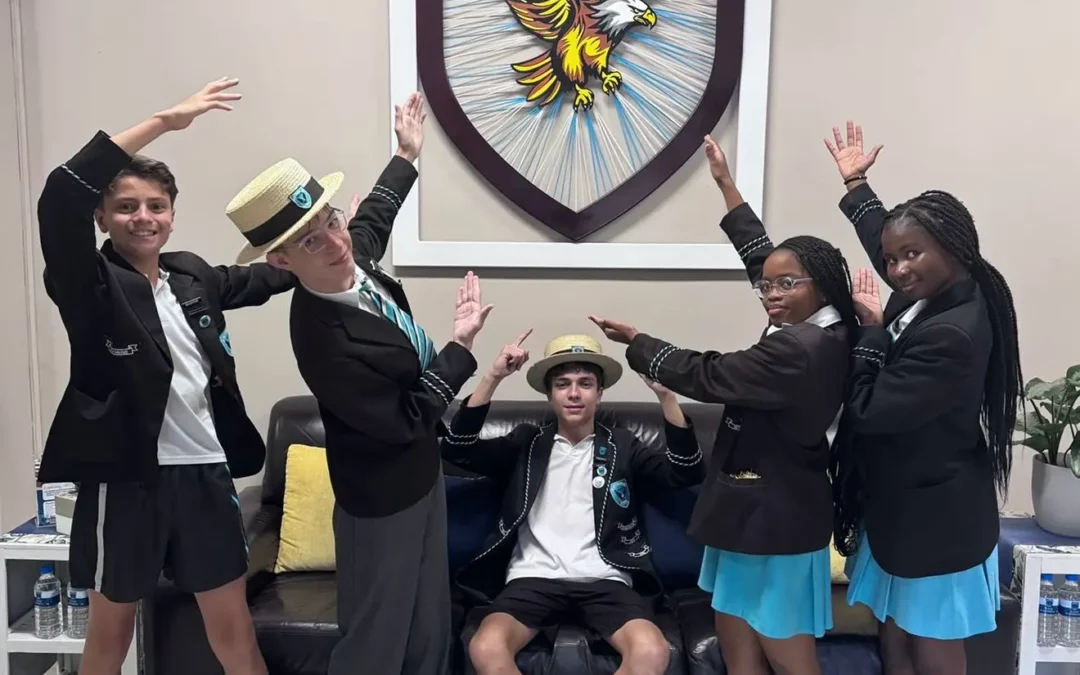
Walk through the gates of Newton House School, and it’s immediately clear that life skills education is ingrained in every aspect of the pupils’ day-to-day. Here, instead of cramming for tests, children are learning to handle the complexity and, at times, chaos of the real world, becoming self-assured, socially capable individuals.
What Sets Newton House Apart When It Comes to Life Skills Education?
At Newton House, life skills education is a culture. In the Preparatory School (Grades 4–7), life skills are taught, practised, modelled, and lived through daily routines and a nurturing environment that encourages emotional intelligence, honest communication, reflection, and resilient problem-solving.
Preparedness isn’t left to chance. Teachers deliberately cultivate self-awareness and belonging in Grade 4, empathy and communication in Grade 5, sound decision-making and digital citizenship in Grade 6, and leadership and identity in Grade 7. These skills are entrenched through activities like emotion journals, class reflection circles, empathy mapping, peer mediation, and roleplay of real-world dilemmas. There’s a reason pupils at Newton House develop maturity beyond their years: personal growth is on the timetable.
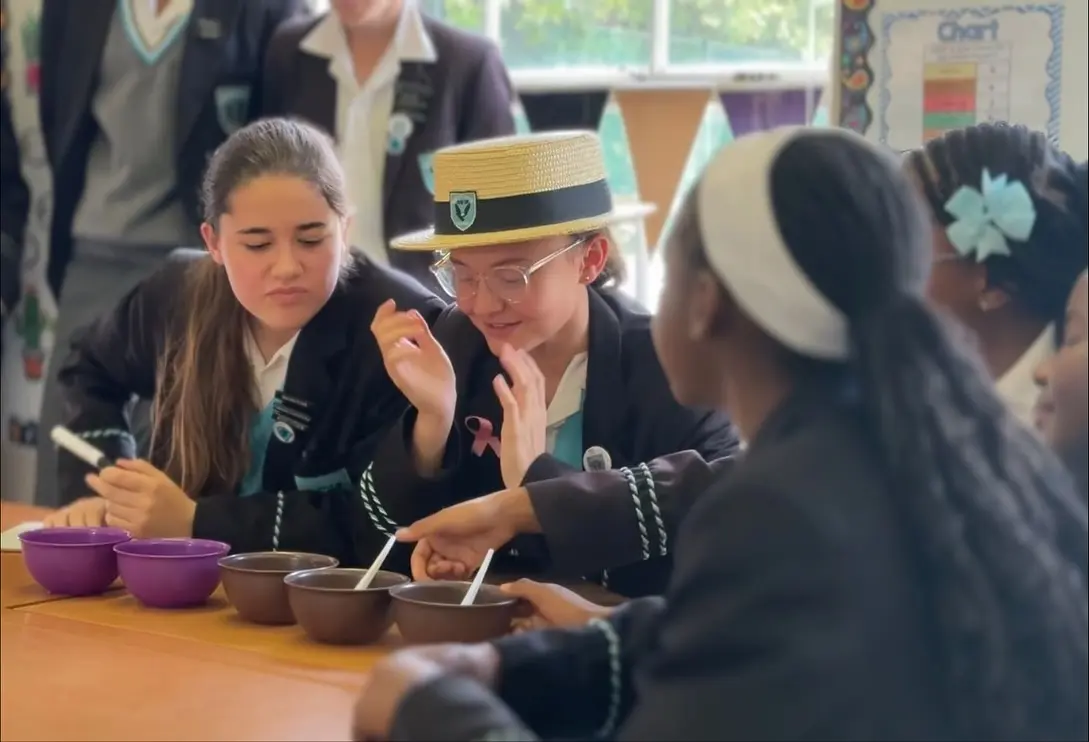

Social-Emotional Intelligence Baked In
Pupils learn to identify emotions, resolve conflicts, and reflect on their behaviour in an environment of respect and support. Calm-down corners and emotion check-ins are everyday tools. Teachers model kindness and handling mistakes with accountability, giving children practical blueprints for navigating life’s trickier moments.
Literacy, too, becomes a channel for life skills. Reading novels with strong social themes sparks debate, writing prompts encourages self-reflection, and participating in discussion groups lets children explore feelings and ethical choices. These opportunities to “walk in someone else’s shoes” turn reading time into empathy and self-expression practice.
Problem-Solving for Real Life
Newton House pupils develop robust problem-solving skills using practical, repeatable tools like the schoolwide 5-Step Model. Pupils are guided to define problems, consider their feelings, weigh solutions, and make thoughtful choices, whether they are dealing with friendship squabbles or academic challenges. This approach builds critical thinking for children in ways traditional learning so often misses.
Life Skills Education Newton House College
The focus on life skills education at Newton House only deepens as students move to the College (Grades 8–12). Life Orientation, Social Sciences, and Consumer Studies explicitly cover financial literacy, smart decision-making, and independence. Emotional intelligence is built through being involved in structured discussions and learning and applying strategies for coping with stress and assessment anxiety. Co-curricular activities create further opportunities for teamwork and social development.
What does this look like in practice? It’s budgeting for a fundraising event, analysing social media scenarios, leading service projects, or managing project deadlines digitally. Independence and resilience are expected and nurtured, with adult guidance every step of the way.
The Newton House Edge
Newton House School’s integrated approach to life skills education, from building emotional intelligence to encouraging critical thinking, sets our pupils apart. By the time they leave, children have the toolkit to take on life’s ups and downs and stride confidently into the future.
At Newton House, real-life and workplace readiness are the result of carefully crafted learning experiences and trusted professional expertise. That’s the difference parents notice, and that children will carry with them for life.