

Personalised learning is quickly changing what quality education looks like. If you’ve ever seen a child light up when a concept finally ‘clicks’, you know just how important individualised learning pathways can be. The days of forcing every child through the same lessons at the same pace are fading. Today, adaptive education and small class sizes are opening a new world where every pupil’s needs are acknowledged and nurtured.
Moving Away from ‘One Size Fits All’
A classroom where 30 to 40 pupils all work from the same textbook page, marching through lessons at the same pace, whether they are ready or not, has been the longstanding norm. But people aren’t carbon copies. Some pupils blossom with a little extra support, while others crave a challenge. Conventional teaching overlooks these nuances. As a result, too many pupils tend to feel lost in the crowd, tuning out mentally and emotionally or losing confidence. Newton House School was founded on the belief that children don’t belong in the shadow of a one-size-fits-all system.
Personalised Learning as 2026’s Leading Education Trend
Education in 2026 is guided by the understanding that learning should adapt to the pupil, not the other way around. Personalised learning and adaptive education allow educators to meet each pupil where they are.
It’s no surprise this approach is backed by research. A recent review of studies on the characteristics and impact of personalised learning in higher education found that 59% of studies showed better academic performance, and 36% noted improved engagement. While this research focused on adult students, it’s easy to see the benefit for youngsters, too. After all, children flourish when they sense their progress is noticed and valued.
How Newton House Delivers Individualised Learning Pathways
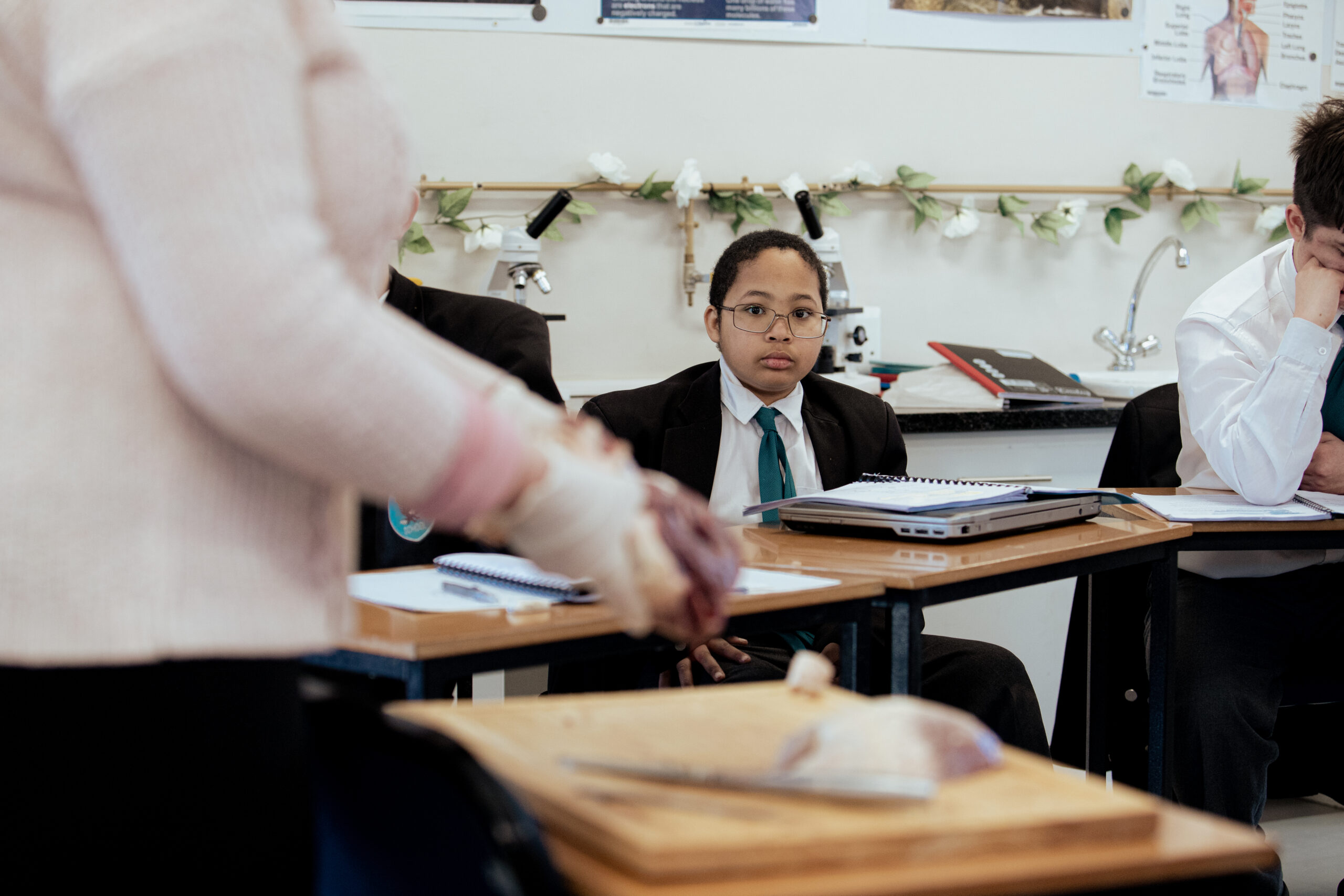
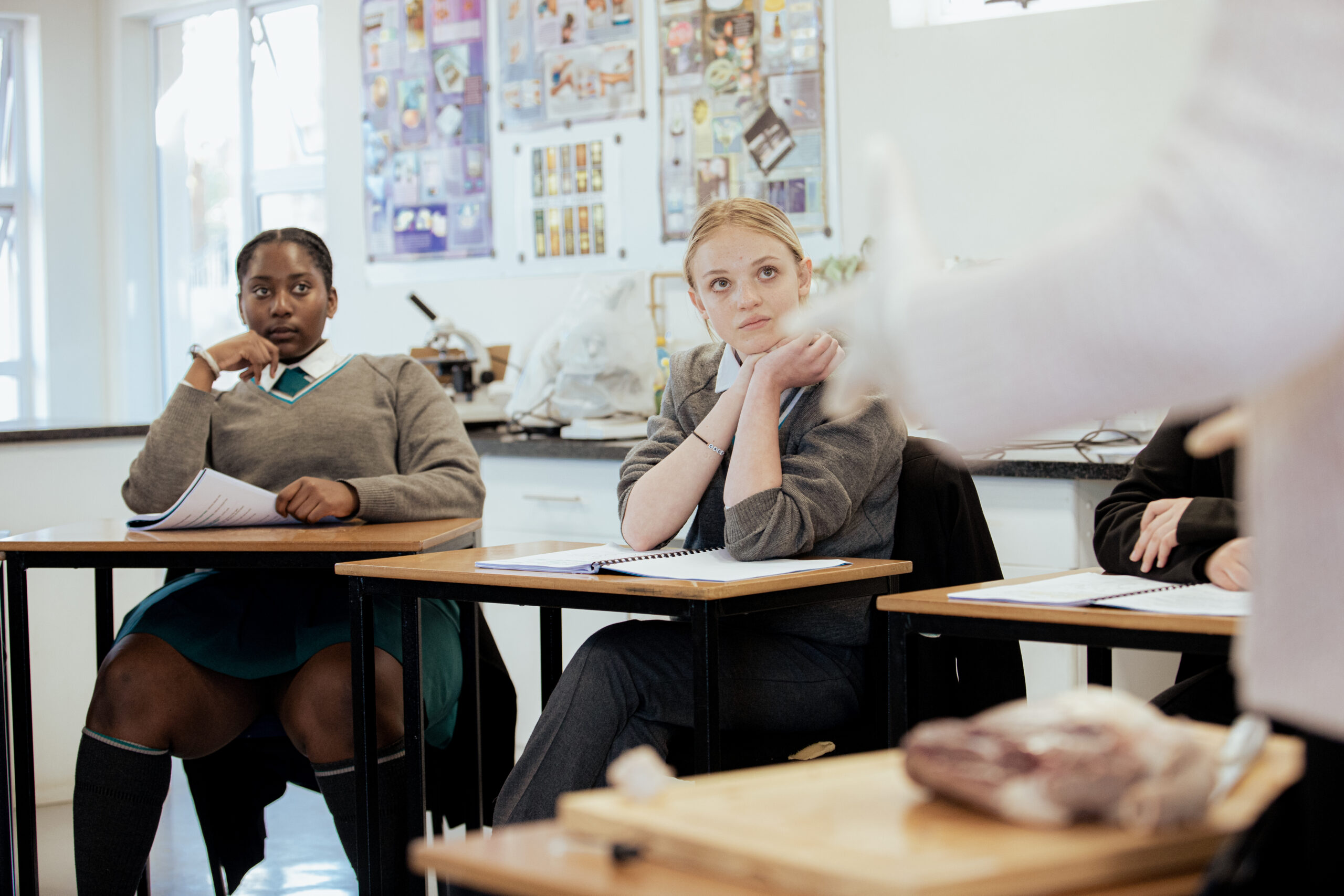
Small class sizes at Newton House are standard. With no more than 13 pupils per class, teachers know each pupil as an individual. This allows for one-to-one learning support that so many children need but rarely receive elsewhere. We tailor teaching in action:
- A Maths lesson might be split into mini groups, where one pupil works through activities at their own pace while another practices more until they feel confident.
- In English, a pupil who’s struggling with reading can receive immediate additional support, while those who are ready for greater complexity are encouraged to attempt more difficult material.
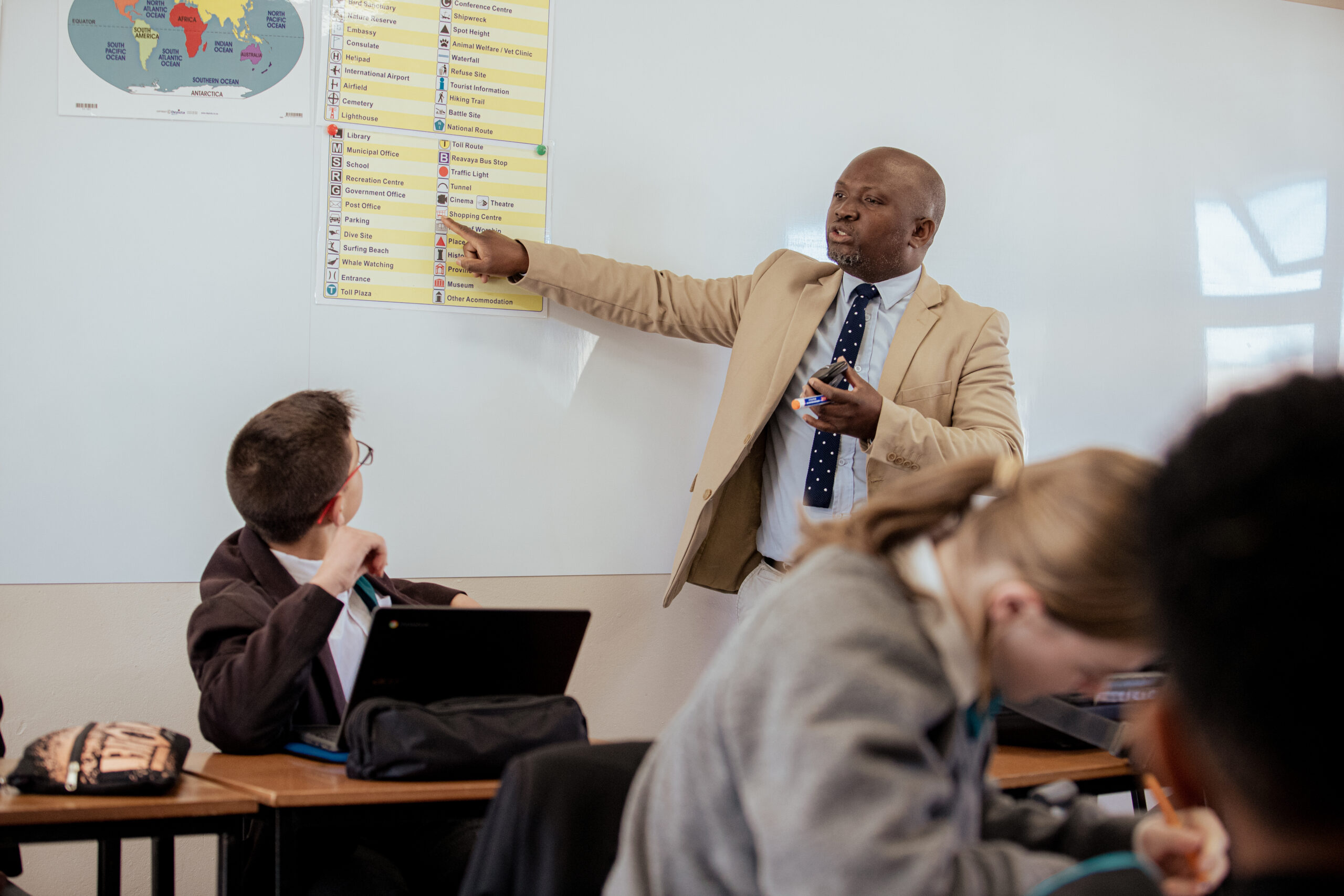
- With the use of Chromebooks, teachers can leverage technology by incorporating interactive online activities, multimedia presentations, educational apps, and collaborative platforms to encourage dynamic learning.
Relationship-based teaching is at the core. At Newton House, teachers easily identify frustration, disinterest, engagement, or curiosity, and adjust accordingly. Pair this with AI learning tools that can quietly evaluate potential trends (maybe a pupil keeps stumbling over fractions or shows a flair for creative writing), and you have classrooms alive with real progress and happy, motivated pupils.
The Ripple Effect of Personalised Learning
Personalised learning builds trust. Pupils see that their teachers care about what they need, not just what the syllabus dictates. A pupil who knows they aren’t compared to anyone but themselves thrives. One-to-one learning support helps banish the fear of failure; instead, pupils become active participants in their own development.
Every year, Newton House pupils who initially started school anxious or uncertain finish the year standing a little taller and are excited about what’s next because learning is not an obstacle any longer, but an adventure.
This Is What Education Should Feel Like
When every child follows an individualised learning pathway, nobody is left behind. If you want your child’s strengths to be celebrated and their challenges met with warmth and creativity, Newton House is ready to welcome your family. Experience what’s possible when education finally fits your child just as they are.