

Assisted learning schools exist for a very important reason: some children are perfectly capable of succeeding academically, but they simply can’t thrive in a standard classroom setup. Assisted learning schools, like Newton House, therefore offer a purposeful model of support for pupils who need a smaller, more responsive environment in which to do their best work.
Assisted Learning Schools Offer Something Mainstream Sometimes Can’t
The conversation around mainstream vs assisted learning is often too simplistic. People tend to assume that if a child does not have a diagnosed condition, mainstream education should automatically work. Real life is rarely that neat. Some pupils develop academic gaps after disruptions in their schooling, while others struggle because the pace of the classroom moves too quickly, or low confidence and repeated frustration start affecting their performance. Some pupils are highly capable but need more individual attention or a calmer space in which to learn.
Newton House’s assisted learning model is built on the understanding that education is not one-size-fits-all approach. Every pupil learns and understands differently, and this is at the centre of the school’s philosophy.
What Makes the Assisted Learning Model Different?
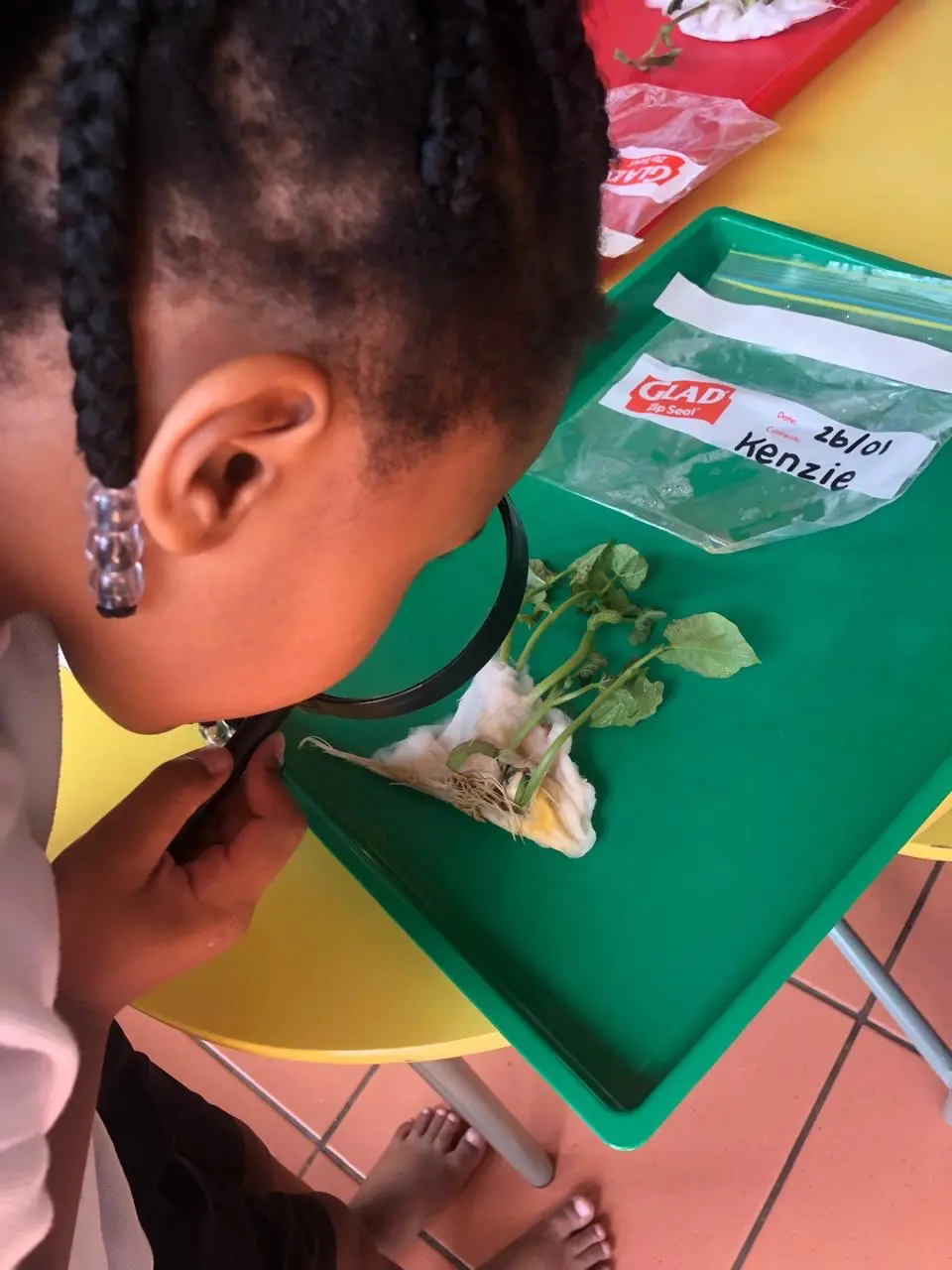
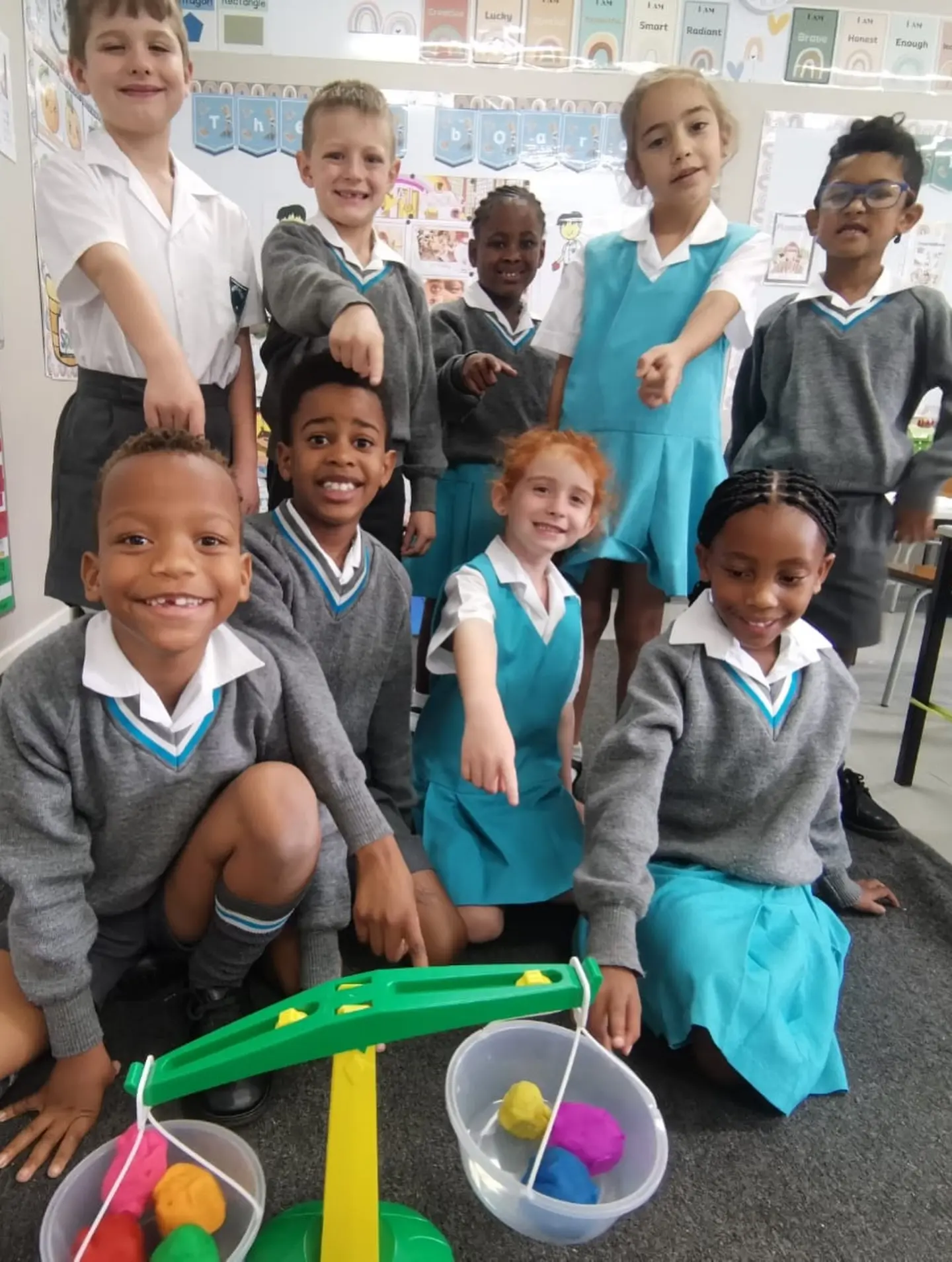
One of the clearest strengths of the Newton House approach is small class sizes. With a maximum of 13 pupils per class, teachers can work closely with individuals in a way that is nearly impossible in a large classroom. Closing the gap between pupil and teacher encourages focused support for individuals experiencing learning challenges and creates room to extend those who are ready for greater academic growth. This matters because some children do not need less from school; they need something more precise.
Teachers spend significant time getting to know each pupil’s learning style and areas of difficulty. This deeper understanding helps them support pupils in more practical and meaningful ways.
Newton House teachers further customise their approach by assessing educational psychologist reports, if available. By applying these insights, they glean a better understanding of how the pupil processes information and what barriers may be affecting classroom performance. This information empowers them to scaffold knowledge step by step, to make learning more accessible. The result is that the pupil’s confidence grows steadily, and they are given a fairer chance to grasp what is taught.
Mainstream vs Assisted Learning: What Type of Pupil May Need Extra Support?
“Mainstream vs assisted learning” should not be framed as a question of ability, because it is often simply a question of fit.
A child may need assisted learning support without having a disability. Academic gaps can develop because of school changes or shaky foundational skills. Emotional factors can also play a notable role. A capable pupil who feels anxious or constantly behind may begin to avoid schoolwork or underperform. Some pupils struggle because the environment is not right for them. Large classes can feel overwhelming. A second-language learning context may add complexity. Even a mismatch in pace can be enough to create problems. A pupil might need more time and structure in one area, while still showing average or above-average intellectual ability overall.
Newton House specialises in assisting pupils of average or above-average intellectual ability who are experiencing academic difficulties or learning challenges. Our assisted learning school also accepts pupils who do not experience academic challenges, but thrive in smaller learning environments. Assisted learning is not only for pupils with formal diagnoses. It can be the right choice for a child who needs a more nurturing and responsive space to learn.
Choose Newton House School for World-Class Assisted Learning in South Africa
If your child is not flourishing in a mainstream setting, it may be time to consider assisted learning schools. Newton House offers an assisted learning model designed to support capable pupils with the structure and personal attention they need. Join us and discover a school environment where your child can feel supported enough to thrive as they’re supposed to.