

Private education in South Africa is expanding, and one of the questions at the centre of this conversation is: Does class size really matter? The honest answer is more nuanced than it may seem, and the research deserves a proper look.
The Truth About Class Sizes: What the Data Actually Shows
In 1985, the state of Tennessee launched one of the most rigorous educational experiments ever conducted. Project STAR (Student-Teacher Achievement Ratio) tracked roughly 6,500 pupils across 330 classrooms. The finding was unambiguous: children in classes of 13 to 17 pupils significantly outperformed those in classes of 22 to 25 in reading, mathematics, and basic study skills. Crucially, the benefits didn’t evaporate when those children returned to larger classes in later grades. The Lasting Benefits Study confirmed they continued outperforming their peers years later. Notably, for minority and economically disadvantaged pupils, the effect was initially double that observed for majority children.
Research further determines that smaller classes don’t automatically improve pupil outcomes. What they do is create the conditions under which high-effect interventions, like formative feedback and metacognitive strategies, become practically possible. A teacher managing 38 pupils cannot deliver the same quality of real-time feedback as one managing 13. So, the classroom size isn’t the solution – but it is what makes the solution deliverable.
South Africa’s Classroom Reality
The current learner-educator ratio is 1:35 in public schools. However, some schools exceed this. In practice, a child sitting in a class of 40 pupils in under-resourced public schools may receive only a few minutes of direct teacher interaction per lesson.
A 2020 South African study on overcrowded classrooms found that learner-educator ratios in some schools exceed 50:1, with researchers linking overcrowding to poorer academic performance and reduced teaching effectiveness.
This may be manageable for a child who is following the lesson comfortably, but for a child with dyslexia, ADHD, processing difficulties, or significant academic anxiety, it simply isn’t enough.
The Equity Problem Nobody Talks About
The children who most need individual attention are disproportionately harmed by overcrowded classrooms. A pupil with a reading difficulty in a class of 35 can go undetected for years – because the structural conditions make early identification nearly impossible. By the time the gap is noticed, it has compounded.
Rather than a critique of public-school teachers, who are working under extraordinary pressure, this is a structural observation. Smaller classes are, at their core, an equity intervention, and the Tennessee data showed this most clearly among the children with the greatest disadvantages.
Private School Benefits and What a Smaller Class Enables
Smaller classes make it possible for a teacher to know within 20 minutes that a specific pupil has misunderstood a concept, rather than discovering it three weeks later in a test. They also enable the formation of relationships that make children feel seen rather than processed.
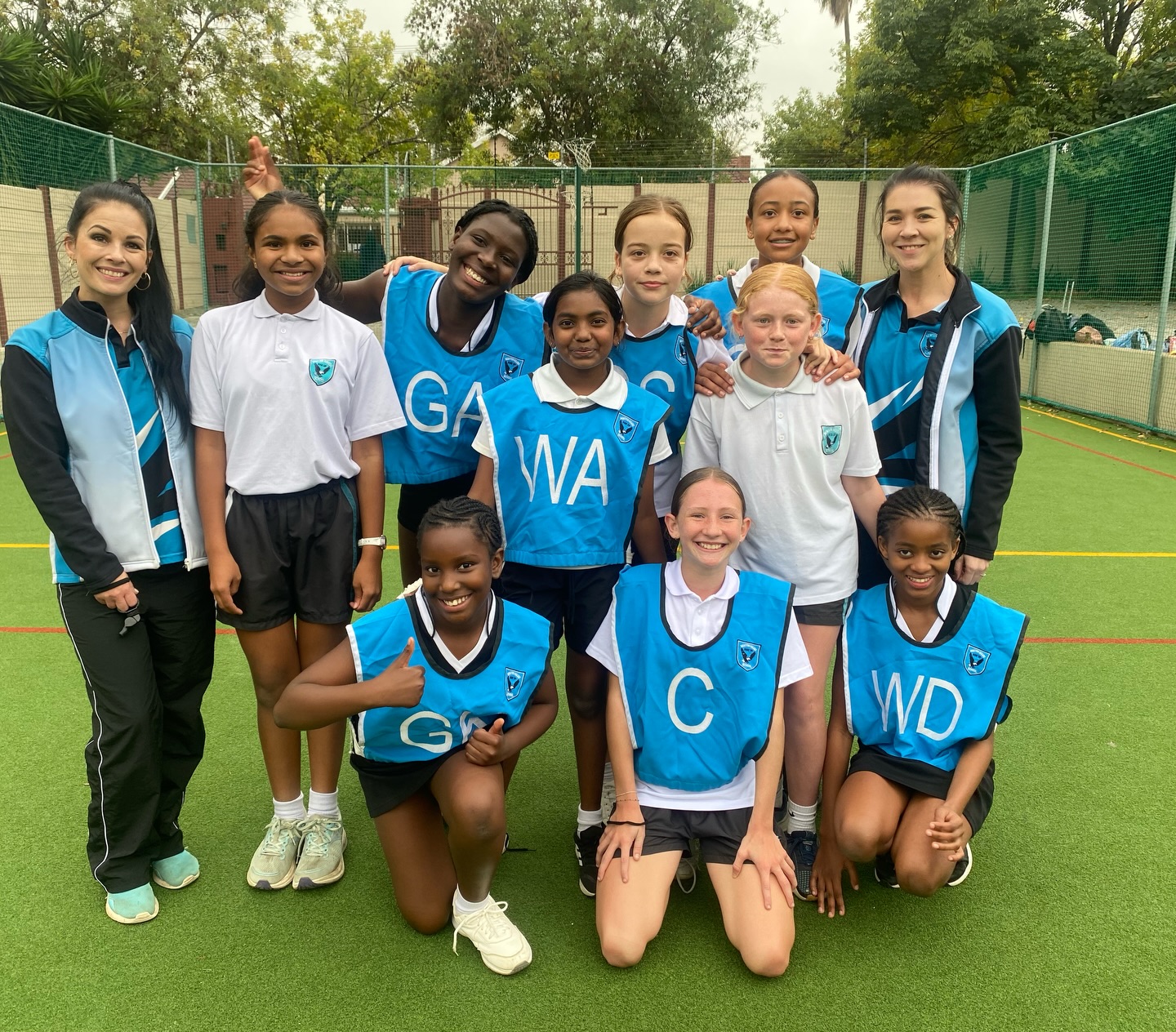
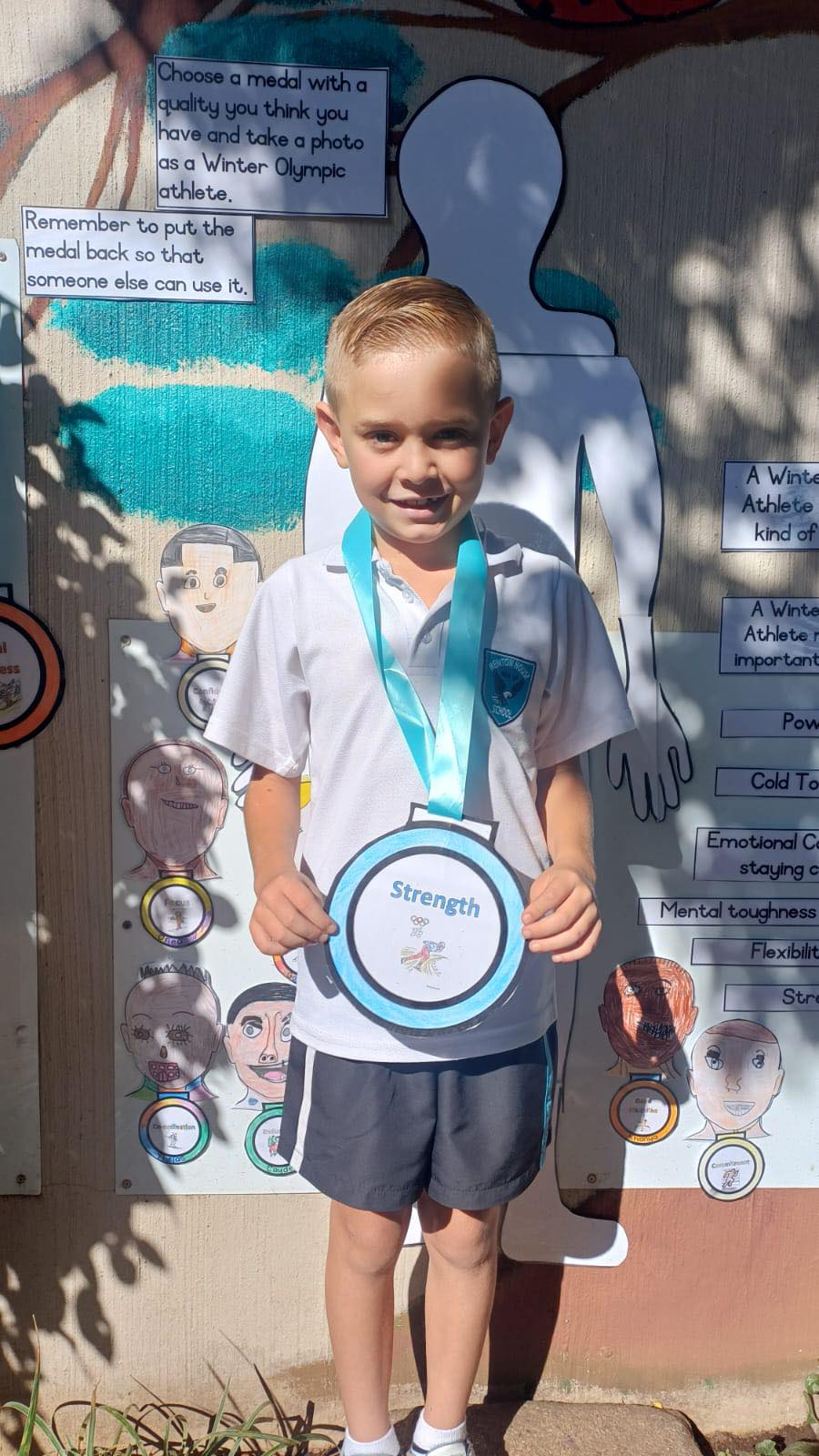
Newton House Preparatory School’s classes are capped at 12 pupils, a structural commitment to the conditions the research consistently identifies as necessary for children who need more than the standard classroom can offer.
The Real Question Parents Should Ask
When evaluating any school, in both the realms of public and private education in South Africa, the right question is not just: “What is the class size?” Instead, ask: “What does the teacher actually do with the space that class size creates?” The research makes it clear: Small classes are necessary but not sufficient. The quality of what happens inside them is what determines outcomes.
The evidence on private education in South Africa shows that personalised learning, delivered consistently by teachers who know their pupils deeply, produces better results for children who have been underserved by larger, faster-moving environments.
For more information, or to learn about Newton House’s approach to private education in South Africa, get in touch today.
FAQs About Class Size and Private Education in South Africa
Q: What does research say about the ideal class size for primary school pupils?
A: The Tennessee Project STAR study found that classes of 13 to 17 pupils in the early grades produced significantly better outcomes than classes of 22 or more.
Q: What’s the average class size in South African public schools?
A: South Africa’s National Norms and Standards for School Funding targets a 1:35 learner-educator ratio, though many public schools exceed this considerably.
Q: How does a large class disadvantage children with learning difficulties?
A: In an overcrowded classroom, a child with dyslexia, ADHD, or processing difficulties can go undetected and unsupported for years simply because the structural conditions make early identification and individualised attention practically impossible.
Q: Is a smaller class size worth the cost of private education in South Africa?
A: For children who need more than a standard classroom can offer, the evidence suggests that the long-term academic and emotional cost of remaining in an overcrowded environment consistently outweighs the financial cost of a smaller, more personalised setting.
Q: What benefits does a small class size provide beyond academic performance?
A: Smaller classes enable the kind of meaningful teacher-pupil relationships that help children build confidence and develop the emotional security that makes them genuinely open to learning.