

The conversation around digital learning tools has marched past the question, “How much screen time is too much?” Many of us can acknowledge that not all screen time is the same. In 2026, technology powers meaningful learning, and Newton House School recognises digital transformation in schools in South Africa as a necessary step in putting pupils on track to thrive in the future of the working world, as employers now consider digital fluency to be a standard requirement rather than an ‘advantage’.
Embracing the Smart Use of Digital Learning Tools
Screen time is a broad brush. Instead, what matters most is what children use those screens for. Education technology in 2026 is about discernment; it’s the difference between digital fluency and digital distraction.
Newton House understands that productive screen use (when children create, research, problem-solve, and collaborate online) builds thinking muscles for the real world. Passive screen use (hours of mindless scrolling or endless video consumption), on the other hand, weakens attention and dilutes skill-building. It is important to embrace digital learning tools that support blended learning and encourage digital content creation over content consumption.
Purposeful and Safe Use of Technology in Schools
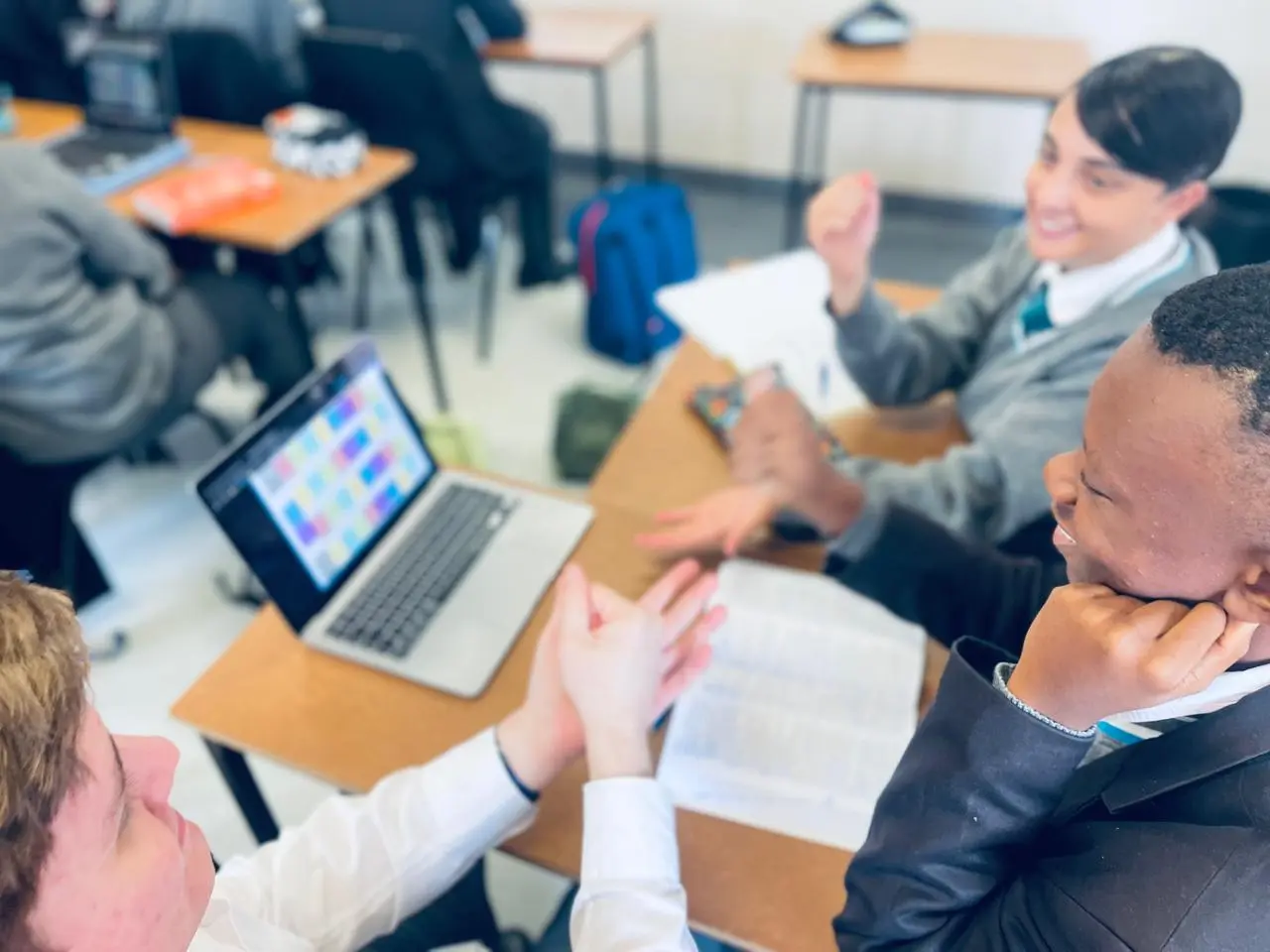
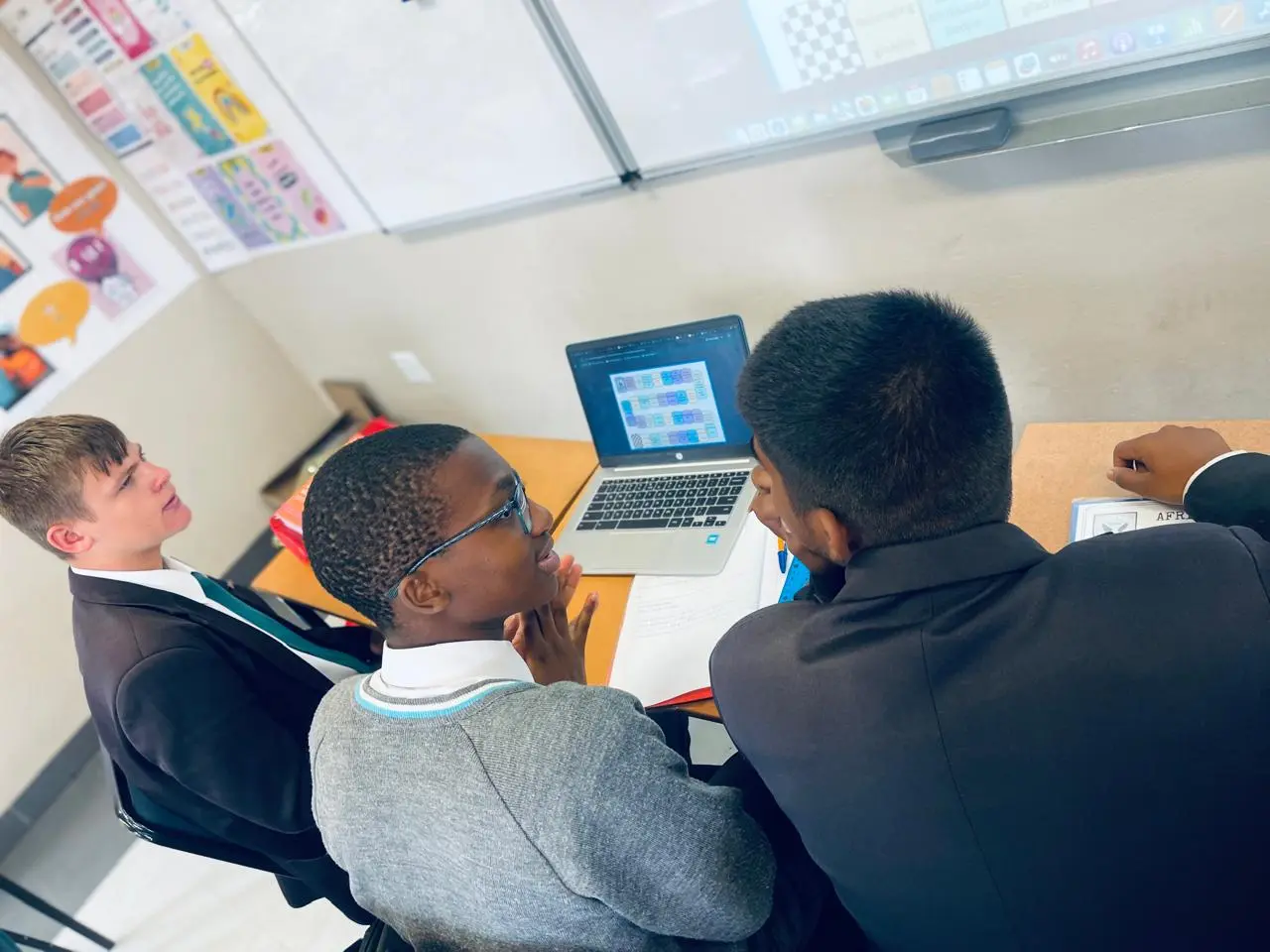
In schools that recognise its value, technology is embedded where it amplifies core learning, such as interactive simulations in science, creative applications in presentations and collaborative projects on secure online platforms. Pupils engage with content by watching, questioning, analysing, and building.
In this instance, blended learning is not about implementing digital learning tools and displacing teachers or peer interaction as a result, but rather incorporating them mindfully to complement and enrich opportunities for learning. In a typical lesson, a teacher may introduce a topic face-to-face, then guide students in an online research quest, completing the learning experience full circle in group discussions. The result is a dynamic classroom where technology and human connection never compete but rather create multiple pathways for understanding.
Of course, safety takes centre stage. Pupils must learn digital fluency, which extends past basic device use. In fact, they should be taught how to identify accurate sources and engage responsibly in shared online spaces − skills that will serve them well both in the classroom and beyond.
Additionally, it is important not to skip steps in the development process of a child, particularly during the Foundation phase, when considering the end goal of digital fluency. At Newton House, emphasis is placed during the early years to fully develop fine motor skills, perceptual skills, reasoning, sequencing, organisation, and planning to prepare pupils for the full optimisation of technology further down the line.
Why Digital Competence Is Needed Now
A recent employer survey (2024) delivers a clear message for parents and schools alike. While conducted in Malaysia, the findings are globally applicable. Nearly every employer surveyed rated digital skills as vital (outscoring both technical and soft skills in importance), however, they flagged major gaps in how graduates perform in the workplace. What’s missing? Higher-order skills, like digital problem-solving, online communication and collaboration, and, above all, digital safety, are scarce in entry-level professionals.
A mere familiarity with gadgets is no longer enough. Information and data literacy, digital content creation, and teamwork within digital environments have become baseline requirements and are barely enough to stand out. The essential edge for tomorrow’s graduates will be held by those who can collaborate and create using technology.
This is where meaningful tech integration becomes urgent. Digital learning tools in the educational environment should cultivate the critical thinking skills and safety awareness that modern employers demand. Pupils should be prepared for an economy where digital skills are the new literacy, and balanced, critical use of technology is as much about discipline as it is about innovation.
Productive vs. Passive Screen Use
Clearly, the screen time debate needs an overhaul. Newton House encourages parents to consider introducing quality digital time. Productive screen use happens when pupils research, compose, design, or code − when the device becomes a tool, not a toy. Passive screen use, in contrast, is aimless. The device leads, and the learner merely follows. Understanding this distinction enables parents to set healthy boundaries on technology and encourage positive digital habits for lifelong benefits.
Choose Newton House if you’d like to see your child mindfully building skills for a world that expects digital fluency, flexibility, adaptability, and ethical responsibility. Explore our criteria for admissions today.