

Many think that preparing students for career success only starts in the final year of school, but it actually begins the moment a child steps into their first classroom. It’s no longer as simple as “study hard, get good marks, and pick a career”. Nowadays, the focus needs to be on the future-of-work education that keeps pace with evolving industries, ever-changing skills, and jobs that are yet to be invented.
What Tomorrow’s Jobs Really Look Like
Global research from the World Economic Forum pulls no punches. By 2030, two out of every five skills that workers use daily will need to be relearned or replaced. AI and rapid technological change are flipping careers upside down. Fields like data science and robotics are surging ahead. Meanwhile, secretarial work, data entry, and repetitive office tasks are shrinking fast.
But the future isn’t just about hard skills. Employers seek adaptable minds and employees who can solve new problems and communicate with empathy. Soft skills, like resilience, critical thinking, creativity, and emotional intelligence, are the real bridges between education and employability.
The Magic Ingredient is Soft Skills and Adaptability Training
While certificates matter, one of the most precious takeaways from school today is adaptability. Pupils with adaptability as a skill can unlearn and relearn quickly and handle uncertainty with confidence. Combine this with future-of-work education, and you’re raising a generation well-equipped to handle shifting job descriptions and game-changing innovations alike.
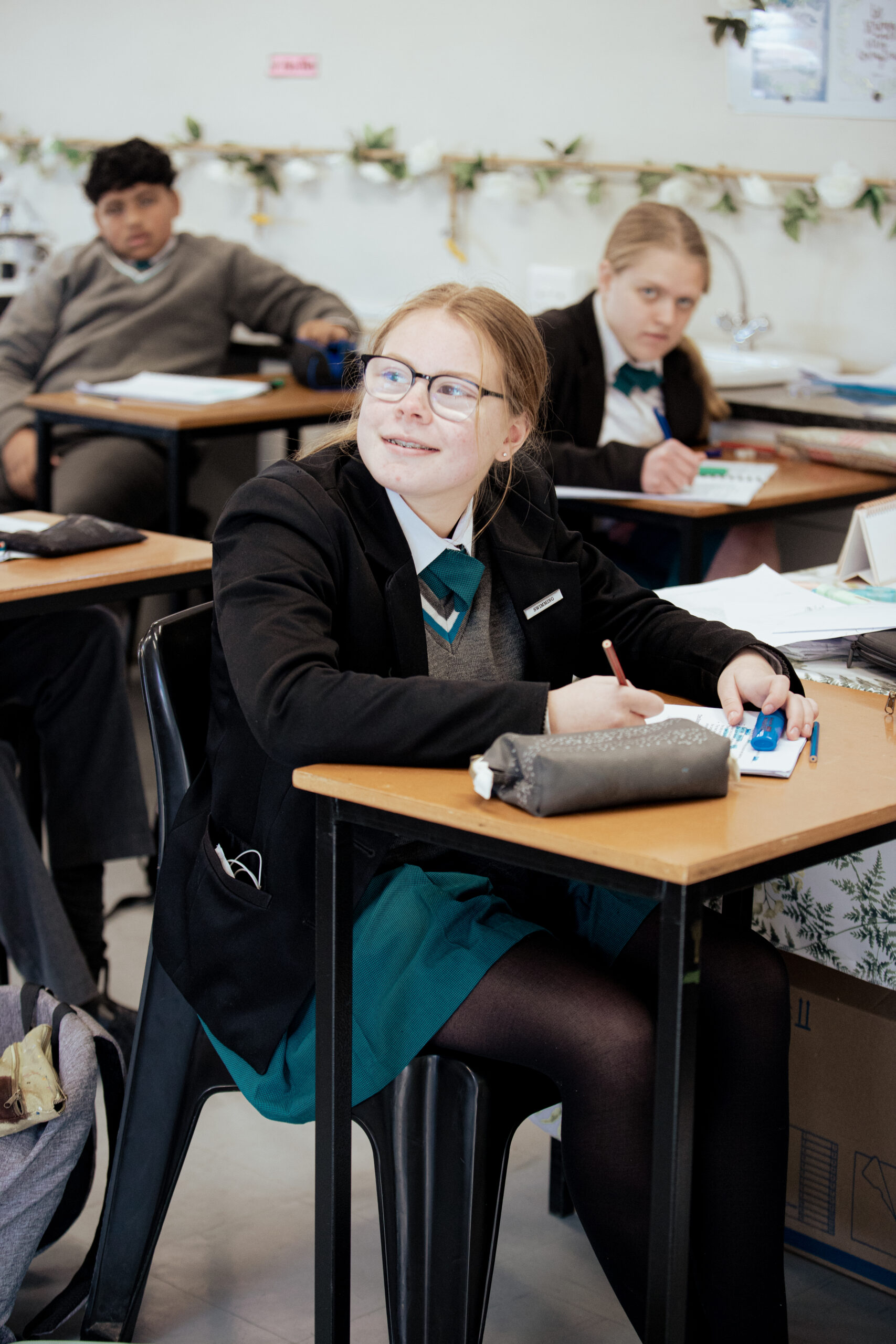
Let’s talk about soft skills development at Newton House. Through project-based learning, group debates, and creative problem solving in every subject, pupils build the habits of mind that power modern workplaces:
- Communication: Newton House nurtures clear and confident expression through activities like classroom discussions, Eisteddfods, and public speaking events.
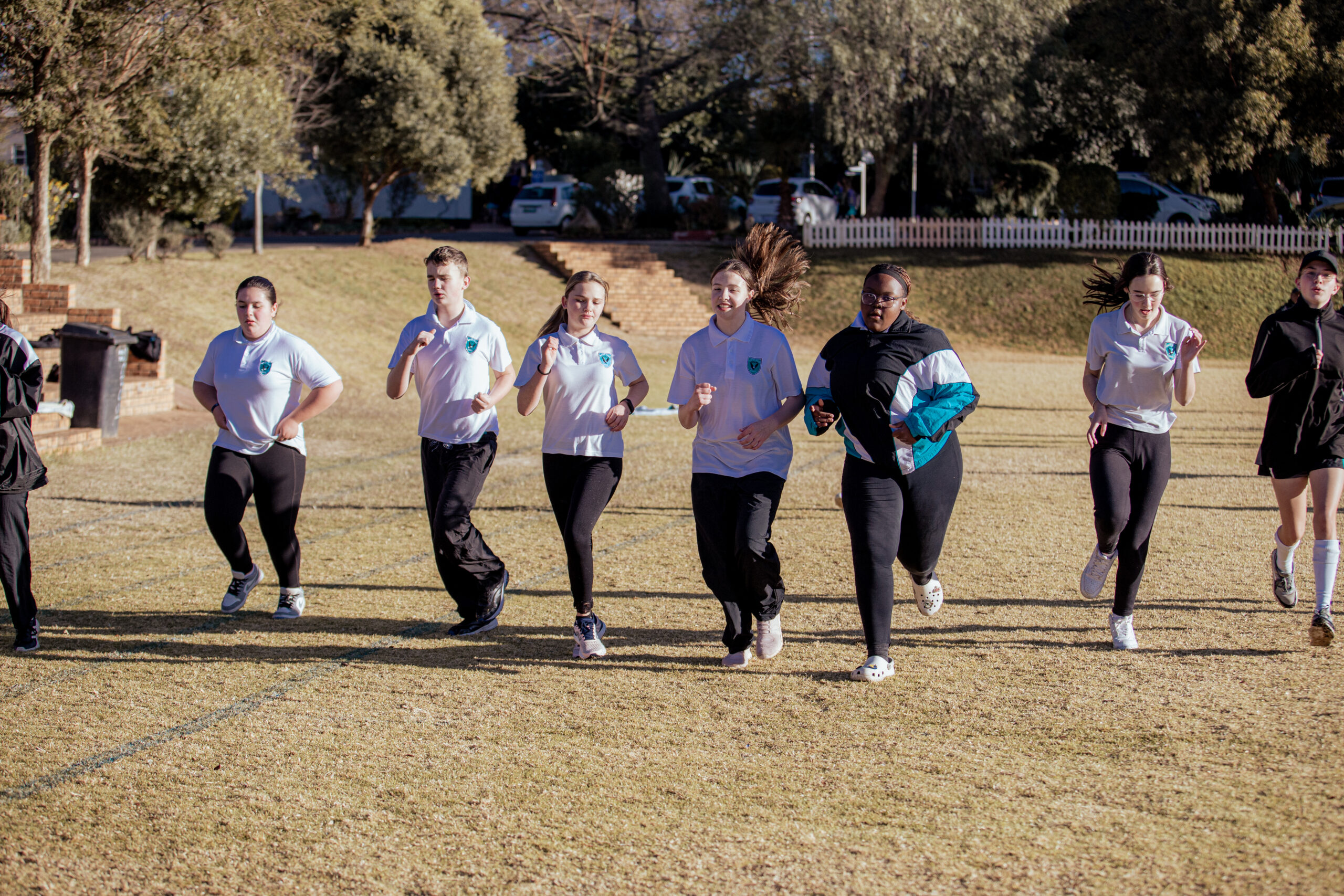
- Teamwork: Sports, chess, science projects, and group coding challenges mould skills, including listening, collaboration, compromise, and leadership.
- Resilience: With small classes and caring teachers, mistakes become opportunities for growth. Great things happen when you feel safe to try.
Early Exposure and Career Guidance for Children
Why wait until Grade 12 to start preparing students for career success? Career exploration is ongoing for Newton House pupils. Visiting professionals unlock the world of work. Preparatory pupils discuss their interests in social emotional learning groups, connecting personal strengths to real-world possibilities. As pupils progress, mentoring sessions with past Newton House alumni help demystify the work environment and show the range of options on offer.
Further, every phase at Newton House builds a mosaic of skills, including coding, entrepreneurship days, service learning, and science innovation weeks. This constant exposure to different fields and challenges gives pupils a clear understanding of the possibilities, and gives them the confidence to ask, “How can I contribute to the world?”
Choosing a School That Will Stick
The gap between the classroom and a career needn’t be a chasm. Newton House School proves how early schooling influences long-term employability by weaving adaptability, soft skills, and real career exploration into each phase.
Give your child a head start. Choose a school that focuses on preparing students for career success early, so they can adapt and lead in any future.