
What is Life Skills education? Life skills, the emotional and social competencies that equip children to handle relationships and real-world demands, should be a cornerstone of every South African school’s offering. Instead, school anxiety in South Africa is a growing crisis emerging inside classrooms across the country, largely unaddressed and almost always under-resourced. If your child is dreading school in a way that goes beyond ordinary nerves, the data suggests they are far from alone.
What is Life Skills Learning, and Why is the Current Data So Alarming?
The South African Depression and Anxiety Group (SADAG) reports that 17.6% of South African teenagers have attempted suicide, and 31.5% of those attempts required medical treatment.
The World Health Organisation estimates that half of all mental health conditions begin before age 18, but most go undetected and untreated.
Globally, UNICEF data shows one in seven adolescents experiences a diagnosable mental disorder, with anxiety and depression accounting for 40% of those conditions.
South Africa’s own Stats SA data adds a specific dimension: close to 3% of 15-year-olds and nearly 9% of 17-year-olds dropped out of school in 2021. Anxiety and school refusal are significant contributors to these figures, though they rarely appear on the dropout form.
Why Schools Are Structurally Unprepared
Under the CAPS curriculum, Life Skills is the subject designated to carry much of the emotional well-being load. In practice, it’s routinely treated as a filler period, and it’s usually the first lesson to be displaced when exam preparation pressure mounts. Most South African schools don’t have a qualified psychologist on-site, and many school counsellors operate without the clinical training needed to identify anxiety disorders versus ordinary adolescent stress. Furthermore, teachers, already managing overcrowded classrooms and a content-heavy curriculum, are rarely trained in trauma-informed practice.
This is a significant structural problem. The system was not designed with mental health as a core function, and the consequences are now arriving in volumes too large to ignore.
What the Research Says Schools Must Do
The evidence points clearly toward several non-negotiable interventions, such as:
- Trauma-informed teaching practice
- On-site or accessible psychological support
- Structured well-being check-ins built into the school week
- Robust anti-bullying protocols with real accountability
- Consistent meaningful relationships between adults and pupils
What a Different Approach Looks Like
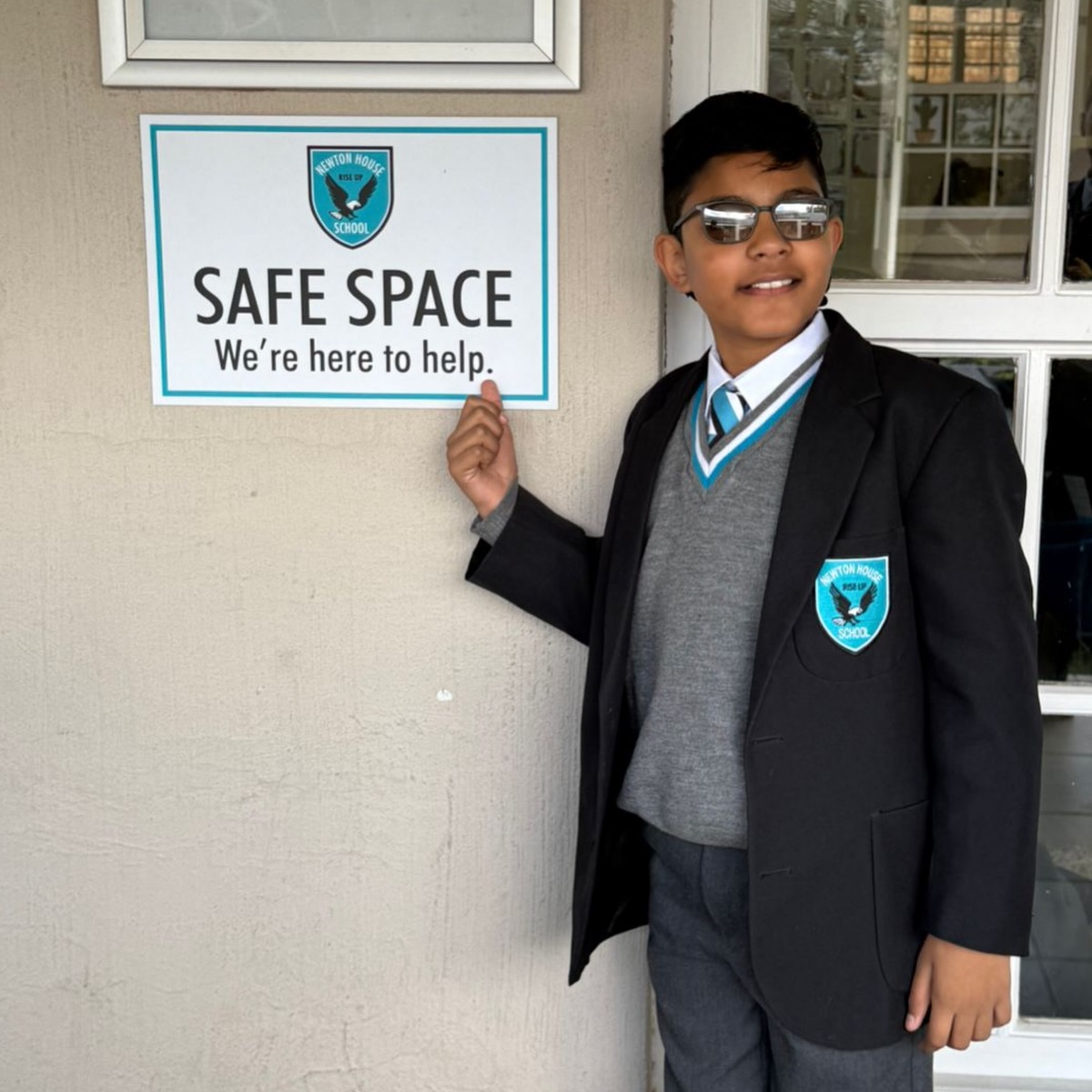
Newton House makes occupational therapy and on-site specialist access available on the school premises. Additionally, pastoral care functions as a core responsibility of every teacher, built into how the school day operates. The small class environment means that a child’s emotional state is known, not inferred from a test result weeks after the fact. Social and Emotional Learning (SEL) is offered formally in the Preparatory School, giving children a language for their inner experience and the tools to navigate it.
Life skills education in South Africa needs to be taken seriously at a national level. Until it is, the responsibility falls to schools willing to support their pupils optimally. Learn more about Newton House’s approach to education today.
FAQs About Life Skills Education and School Anxiety in South African Children
Q: What is life skills education and why does it matter in South African schools?
A: Life skills education covers the emotional and social competencies children need to navigate relationships and stress, and in South Africa, it’s one of the most under-prioritised subjects in the curriculum despite being one of the most consequential.
Q: How common is school anxiety in South African children?
A: It’s more common than many parents realise. SADAG and WHO data consistently show that most anxiety disorders begin before age 18.
Q: What are the warning signs of school anxiety in children?
A: Persistent physical complaints on school mornings, escalating school refusal, sleep disruption, social withdrawal, and a sudden loss of interest in activities a child previously enjoyed are the clearest indicators that your child is experiencing more than ordinary nerves.
Q: How does inclusive education in South Africa address pupil mental health?
A: Inclusive education frameworks acknowledge diverse learning and emotional needs, but implementation remains inconsistent. The gap between policy intention and classroom reality is where most anxious learners fall through.